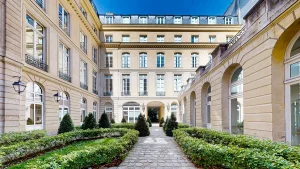
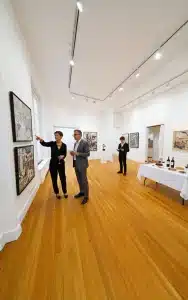
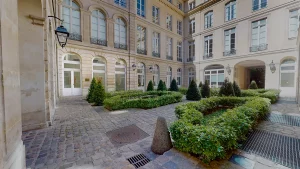
Your brand was born online. It built its audience on social media, refined its offering using data from its e-commerce site, and cultivated a loyal community that has never actually met it in person. Then comes the question that all digitally native vertical brands (DNVBs) eventually ask themselves: should you open a physical store, and how can you take the plunge without locking yourself into a long-term commercial lease? The pop-up shop offers a direct solution to this dilemma, providing a real testing ground, limited in time and budget, in the heart of a high-traffic, high-quality neighborhood. Galerie Joseph, founded in 2008 by Michael Timsit, supports these openings in the Marais district, a protected area under the PSMV (Plan de Sauvegarde et de Mise en Valeur – Preservation and Enhancement Plan) of the Marais, the first protected sector in France, with more than 30 exclusive spaces in the 3rd arrondissement of Paris, representing 7,200 m² of retail space ranging from 25 to 1,200 m².
Sommaire
Why pop-up shops are the natural gateway to physical retail
For a brand born online, opening a permanent store presents numerous unknowns: location, format, product range, and the team’s ability to manage a physical location. The pop-up shop transforms these unknowns into testable hypotheses. For a few days or weeks, the brand verifies in real-world conditions whether its brand identity translates to a physical space, whether its online bestsellers remain bestsellers on the shelves, and whether its Parisian clientele matches its digital personas. All this without a commercial lease: the space is made available for a defined period, with a pre-determined financial commitment. This is the exact opposite of a traditional real estate investment, where you commit first and learn later. The pop-up reverses the burden of proof: you learn first, then you commit, if necessary. The complete methodology for this format is detailed in the [document/section/etc.]. reference guide, of which this article delves into the specific case of digital brands.
Testing without a lease: what the ephemeral format actually changes
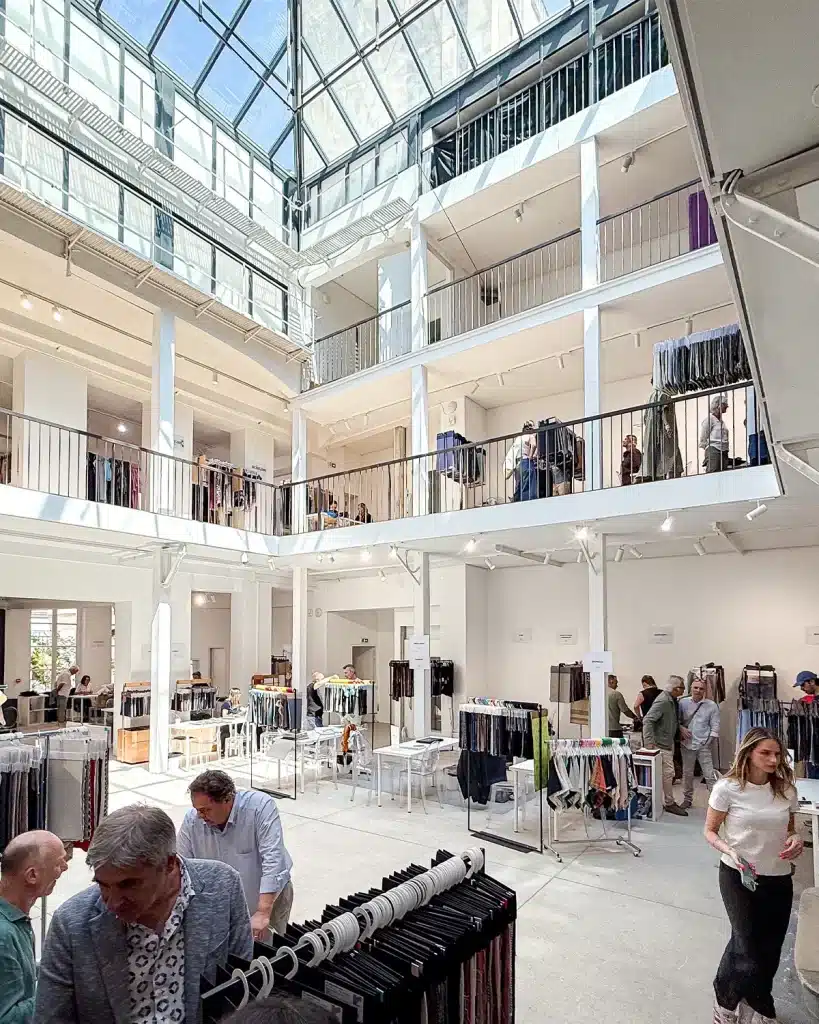
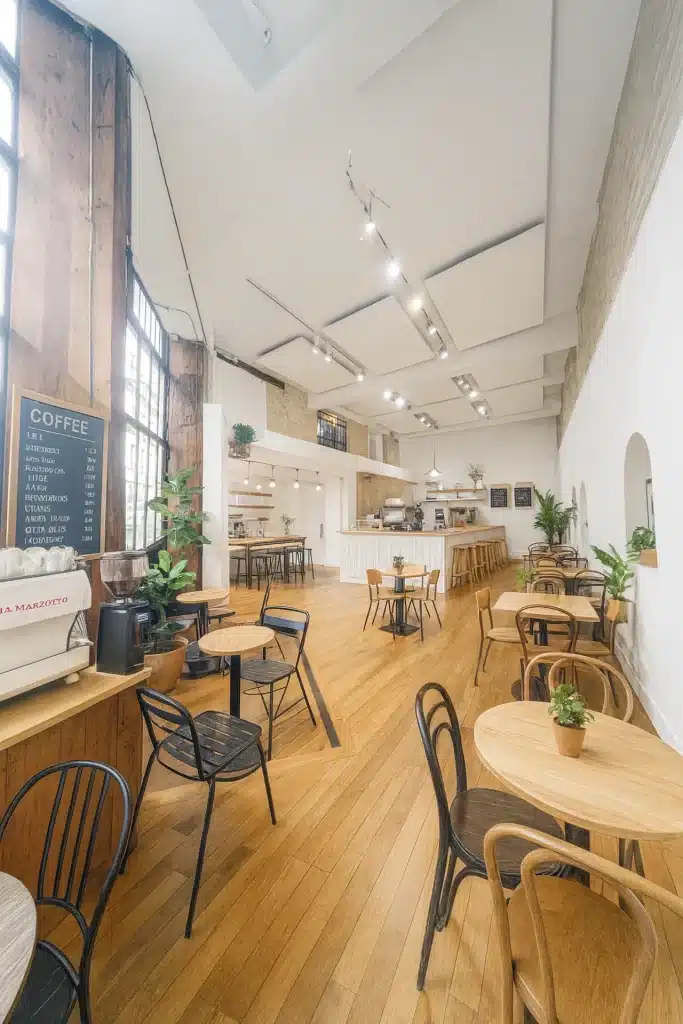
In concrete terms, the difference lies in three points. First, the duration: while a lease commits you for years, short-term occupancy is measured in days or weeks, thus aligning the risk with the actual size of the business. Second, the flexibility of the format: a DNVB (Digitally Native Vertical Brand) can start with a compact space of 25 to 100 m² for an initial test, then aim for a larger gallery if the results justify it, with the spaces in the Galerie Joseph portfolio reaching up to 1,200 m². Finally, operational simplicity: the spaces in the Marais district—galleries with white walls and street-facing windows, workshops under glass roofs, or spaces with stone and beams—can be quickly designed with modular furniture, without major construction work. A dedicated manager assists with the setup, and the quote is sent within 24 hours, allowing for an opening within a few weeks. For contractual, tax, or administrative aspects specific to your situation, particularly if your company is established outside of France, please consult your usual legal and tax advisors. the subject is also addressed for foreign brands on the dedicated page.
Finally meeting his community in the flesh
An online brand’s most valuable asset is its community. The pop-up shop is the moment this community becomes tangible. Subscribers who have been commenting, sharing, and buying for years finally walk through a door, touch the fabrics, try on the products, and meet the founding team. This encounter has an impact that no digital campaign can replicate: it humanizes the brand, creates shared memories, and transforms customers into ambassadors. It also benefits the company in the other direction. Listening to visitors comment on the products, observing what they pick up first, hearing their hesitations when trying things on: this immediate, unfiltered feedback is worth months of online research. The most methodical brands brief their sales teams to record these observations every evening. The choice of the Marais district amplifies this phenomenon: a shopping destination, it attracts a local and international clientele curious about new brands, who then join and expand the existing community.
Turning your audience into traffic: the announcement and the opening
A digital brand has a decisive advantage over a traditional retailer: it doesn’t wait for passersby, it summons its audience. The process unfolds in three stages. Beforehand, the announcement to subscribers creates anticipation: the address is gradually revealed, a countdown begins, behind-the-scenes content is shared during the setup, and loyal customers are invited to reserve a time slot for their visit. On opening day, the event sets the tone: a convivial gathering reserved for the community and a few press contacts transforms the opening into a formal event rather than a simple curtain-raiser. Throughout the event, various activities maintain foot traffic: workshops, product personalization, the founders’ presence at scheduled times, and exclusive offers for visitors. The street-facing storefront of the Marais galleries then plays its role as a media outlet: it captures spontaneous traffic from people unfamiliar with the brand—precisely the incremental audience that an e-commerce site struggles to reach. The address itself becomes content, shared in stories and posts by visitors.
Measuring: sales, contacts, and content – the three returns of the pop-up
An online brand pop-up is managed like a campaign, with key performance indicators (KPIs) defined before opening. The first return is commercial: revenue generated at the location, average order value compared to the website, visitor-to-buyer conversion rate, and performance of the displayed products. The second return is relational: qualified leads collected on-site, newsletter sign-ups, new social media followers, and reactivated existing customers. Many digitally native vertical brands (DNVBs) also observe a halo effect on online sales within the catchment area during and after the event, making it essential to measure beyond the physical store’s checkout. The third return is content: a well-designed physical space generates photographs, videos, and reviews that can be used for months across all of the brand’s channels. Before opening, establish the thresholds that will trigger the next steps: repeating the event, scaling up to a larger format, or deciding to wait. Without these thresholds, the results remain an impression; with them, they become a decision.
After the pop-up: renew, season, establish a ritual
A successful first pop-up shop rarely leads to an immediate permanent location. The most common approach is to repeat the experience, improving upon it: a more focused selection of what worked, enhanced visual design, and a more compact space. Then comes seasonality: anchoring the brand’s physical presence to key moments in the Parisian calendar. The end of the year is the peak season for pop-up shops in the Marais, a period when the demand for gifts coincides with exceptional foot traffic, as detailed on the page about pop-up storesFashion and accessory brands also target the four windows of the fashion calendar: January, February-March, June, and September-October, while design brands look to Paris Design Week, from September 10 to 19, 2026. Through repeated occurrences, the pop-up shop becomes an anticipated ritual for the community, a temporary but regular address that gives the brand a physical presence without the constraints of a chain of stores. Some brands then take the plunge and open permanent stores, bolstered by the data they’ve gathered from the pop-up.
FAQ: First pop-up shop of an online brand
What duration should I choose for a first digital brand pop-up?
Most initial campaigns last from a few days to a few weeks. A shorter duration concentrates community traffic and creates a sense of urgency, while a longer duration allows you to capture spontaneous neighborhood traffic and smooth out the team’s learning curve. The right balance depends on the size of your Parisian audience and your measurement objectives.
Do you already need a retail team to open a pop-up shop?
No, that’s precisely the advantage of the format: the founding team, occasionally reinforced by experienced salespeople, is sufficient for a first event. Galerie Joseph’s dedicated manager handles the venue-specific aspects, allowing the brand to focus on sales, welcoming the community, and gathering insights.
How to choose the space without traveling to Paris?
Galerie Joseph offers a remote selection process based on photographs, plans, and detailed discussions about your project. The team guides your choices according to your positioning, your scenography budget, and your dates, then sends a quote within 24 hours. This approach is particularly well-suited to online brands established regionally or internationally.
Turn your first address into an accelerator
For a brand born online, a pop-up shop isn’t a cheap trial run: it’s the smartest way to enter the world of brick-and-mortar retail, converting audience into traffic, traffic into data, and data into decisions. The Marais district and the spaces at Galerie Joseph offer this first location the setting it deserves, with comprehensive support and a 24-hour response time. Describe your project at +33 (0)1 42 71 20 22 or via the contact form, and consult [the relevant resources/services/etc.]. the complete guide to prepare each step of your opening.
Are you looking for an unusual place in Paris?
Discover the Galerie Joseph spaces in the Marais and find a venue suitable for your launch, showroom, exhibition, pop-up store or private event.