From September 17th to 21st, London brought the major British fashion houses back to its calendar and, in the same breath, brought in retail, pre-owned stores, and the general public. What this year's London season is testing says a lot about the formats that brands will want to replicate in Paris.
Summary
The return of British houses
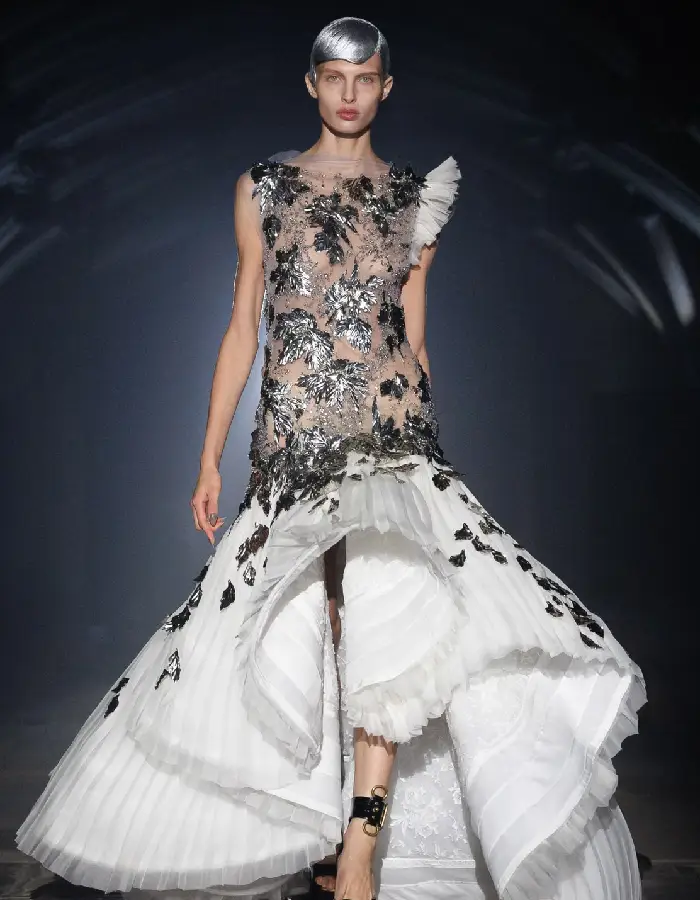
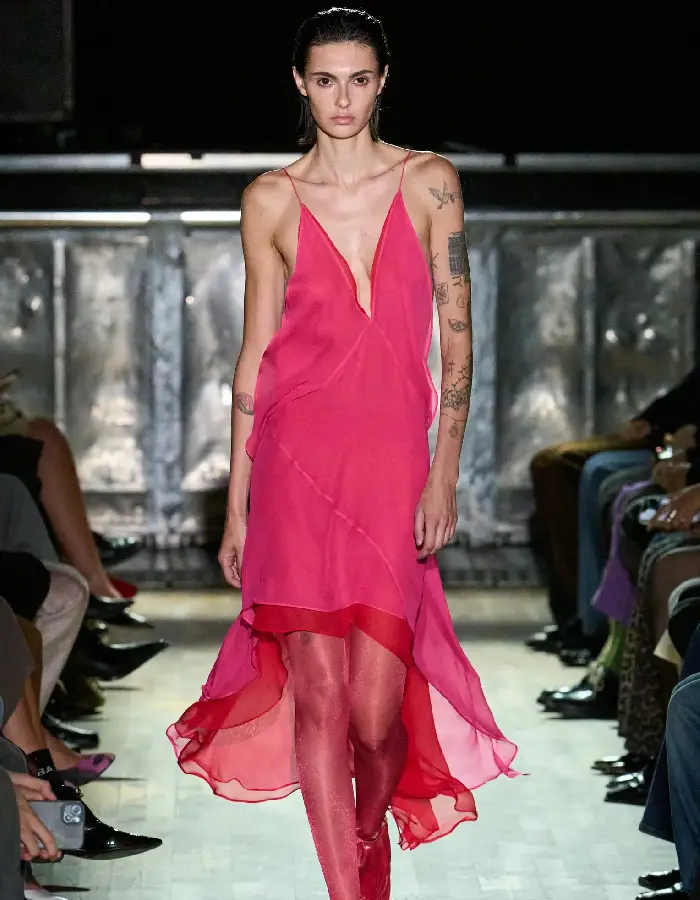
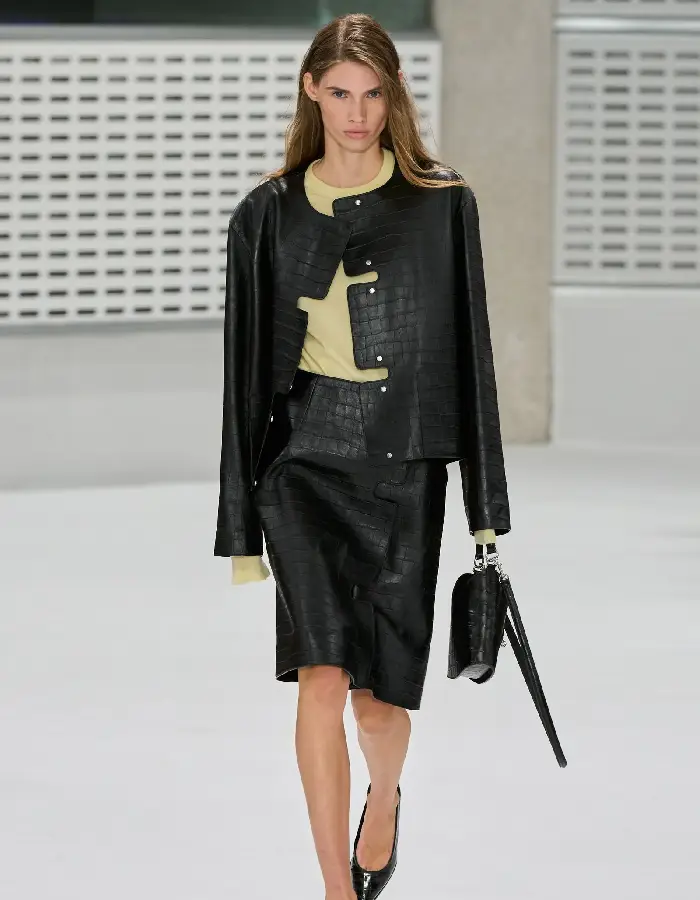
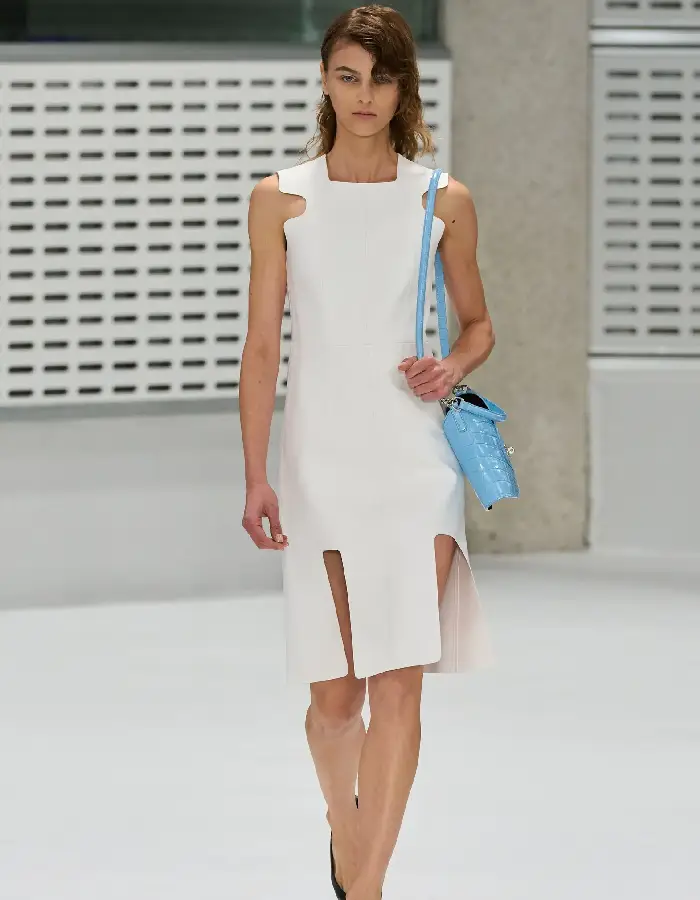
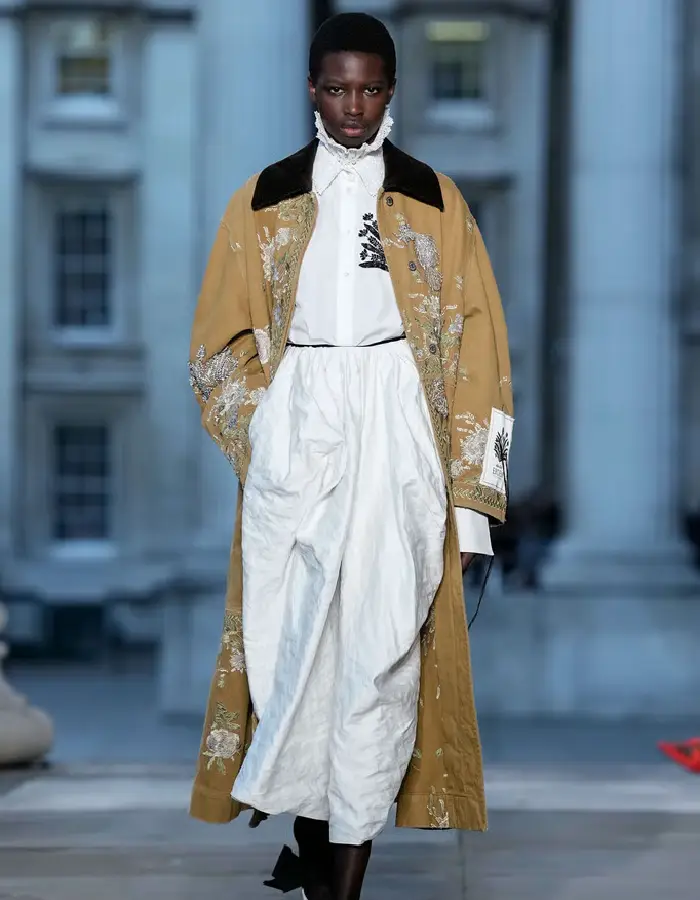
This was the season's challenge, and it was met. Alexander McQueen returned to the London schedule, with Seán McGirr making his debut before the city's public. Mulberry returned with Christopher Kane's first collection as creative director. Alongside them, Burberry, Erdem, Simone Rocha, Roksanda, Richard Quinn, Barbour, Emilia Wickstead, and Harris Reed formed a packed schedule, which the British Fashion Council sums up with the words of its executive director, Laura Weir: the return of major British brands alongside a new generation of designers.
This return is not just a matter of prestige. A calendar that keeps its houses busy also keeps buyers and the international press busy, and the whole ecosystem follows: showrooms, business meetings, parallel presentations.
Beginnings that tell the story of the era
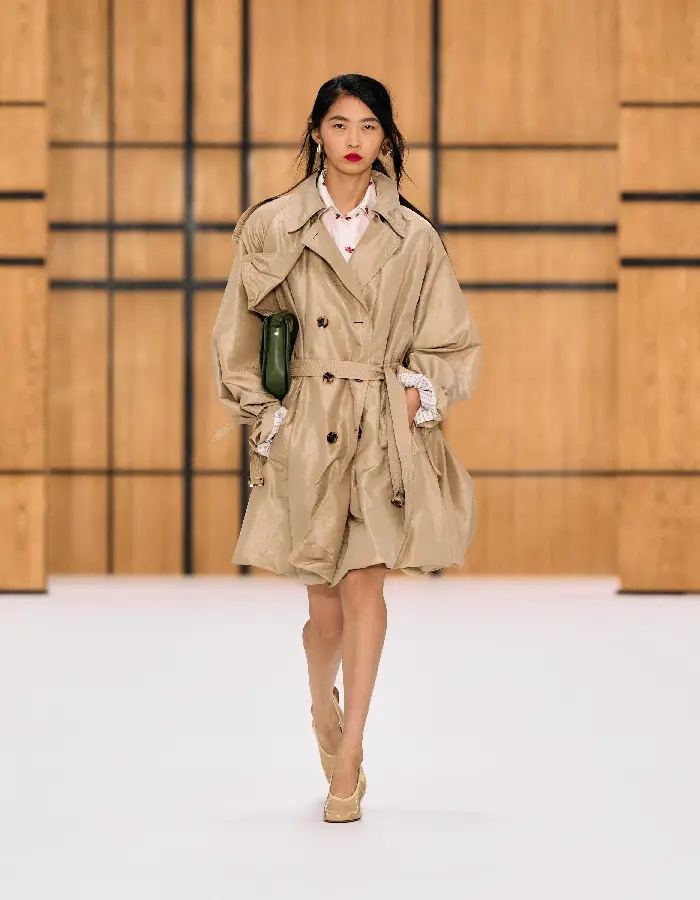
The real innovation came from elsewhere. Marks & Spencer presented its first-ever "see now, buy now" runway show for its centenary: a major retailer making a grand entrance onto the fashion calendar. H&M entrusted its format to Nick Knight and SHOWstudio, resulting in a reimagined runway show as a visual statement rather than a series of looks. eBay returned with its Endless Runway dedicated to secondhand clothing, broadcast live on its platform. Finally, Selfridges extended the season's reach into its stores, highlighting the brands featured on the calendar.
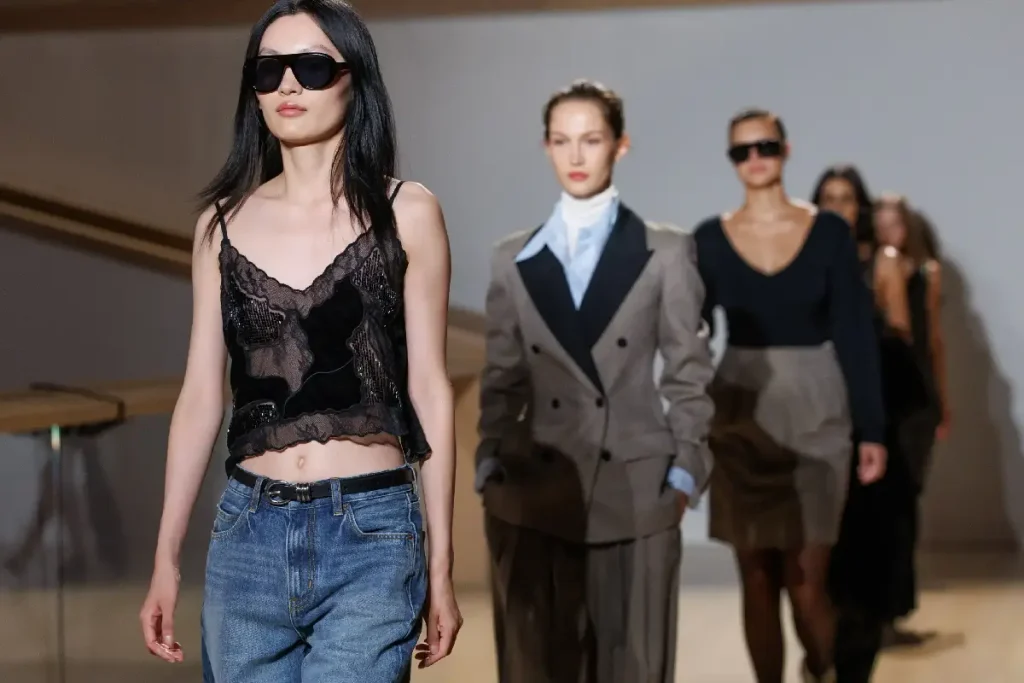
Taken together, these four biases say the same thing: the fashion show is no longer the only legitimate format, and the venue is just as important as the collection. You can't create a Nick Knight-directed video shoot, a live sale, and an in-store experience in the same setting as a traditional runway show.
When the place becomes the subject
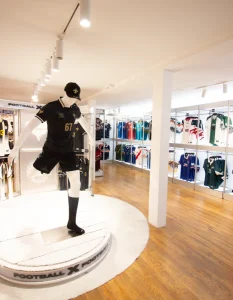
The British Fashion Council embraced the shift: this edition highlighted striking physical experiences and a narrative that extended beyond clothing, with installations, exhibitions, and cultural events integrated into the calendar. What the press and buyers remember about a season is therefore no longer solely about what is shown on the runway, but also about where it takes place and how one moves through it.
This is good news for brands without a runway budget: a well-chosen venue, open for three days, where press and buyers are received in good conditions, now produces more of an effect than a twelve-minute appearance on a catwalk rented at exorbitant prices.
The next generation, always the driving force
London remains the city where people come to see what doesn't yet exist anywhere else. The British Fashion Council's NEWGEN program launched the debuts of Francesca Lake, Gui Rosa, and Petra Fagerström this season, while Fashion East returned with increased support. For these emerging brands, the question of location is even more crucial: without a runway show budget, everything hinges on a short presentation, a well-located showroom, a space that can be transformed for a single day.
After London, the Paris season
The calendar leaves no room for respite: London barely closes before Milan follows, then Paris. And it is in Paris that, for many brands, the commercial part of the season takes place, with its procession of showrooms, press days and presentations on the sidelines of the fashion shows.
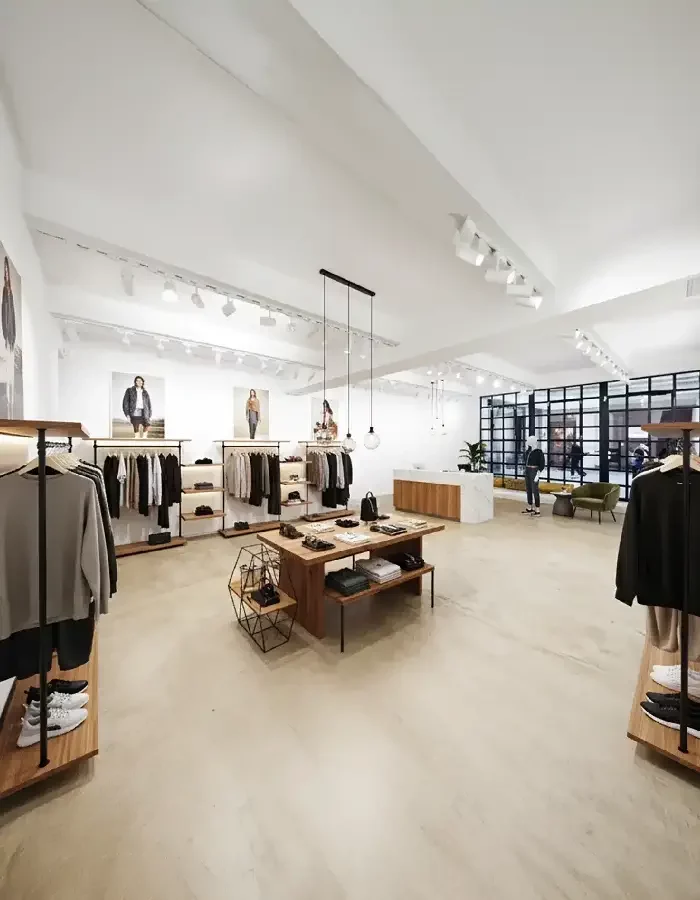

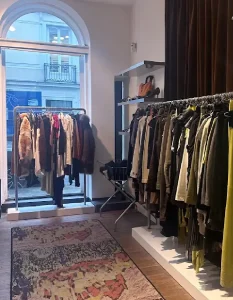
In the Marais district, Galerie Joseph has been supporting this event for several years. With more than thirty spaces spread across the district, from intimate shop windows to halls of more than a thousand square meters, the company welcomes French and foreign brands each season who come to set up showrooms, press days or presentations — including the hybrid formats that London has just tested.
To prepare for the Parisian season, our Paris Fashion Week guide September-October 2026 details the timeline, booking deadlines and preferred formats.
Are you looking for an unusual place in Paris?
Discover the Galerie Joseph spaces in the Marais and find a venue suitable for your launch, showroom, exhibition, pop-up store or private event.
And to choose the location rather than the format, the article Pop-up store Marais: choosing your street details the neighborhood street by street.
F.A.Q
When did London Fashion Week take place in 2026? From Thursday 17th to Monday 21st September 2026, before Milan and then Paris.
Which houses returned to the London calendar? Alexander McQueen and Mulberry made their mark on the season, alongside Burberry, Erdem, Simone Rocha, Roksanda, Richard Quinn, Barbour, Emilia Wickstead and Harris Reed.
What distinguishes the London format this season? The entry of retail and second-hand into the official calendar, with the first Marks & Spencer show, the image format entrusted to Nick Knight by H&M and the direct sale of eBay.
How far in advance should you book a space in Paris for the same period? Three to six months is recommended for fashion weeks, with the best formats selling out first.