A major transformation for the luxury market
By 2025, the luxury market is evolving rapidly. Economic shifts, changing consumer expectations, and technological innovations are redefining the rules of the game. Paris, the world's fashion capital, plays a key role through its fashion weeks, iconic showrooms, and pop-up stores. These tools are becoming essential for brands that want to remain competitive and relevant.
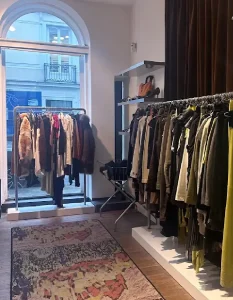
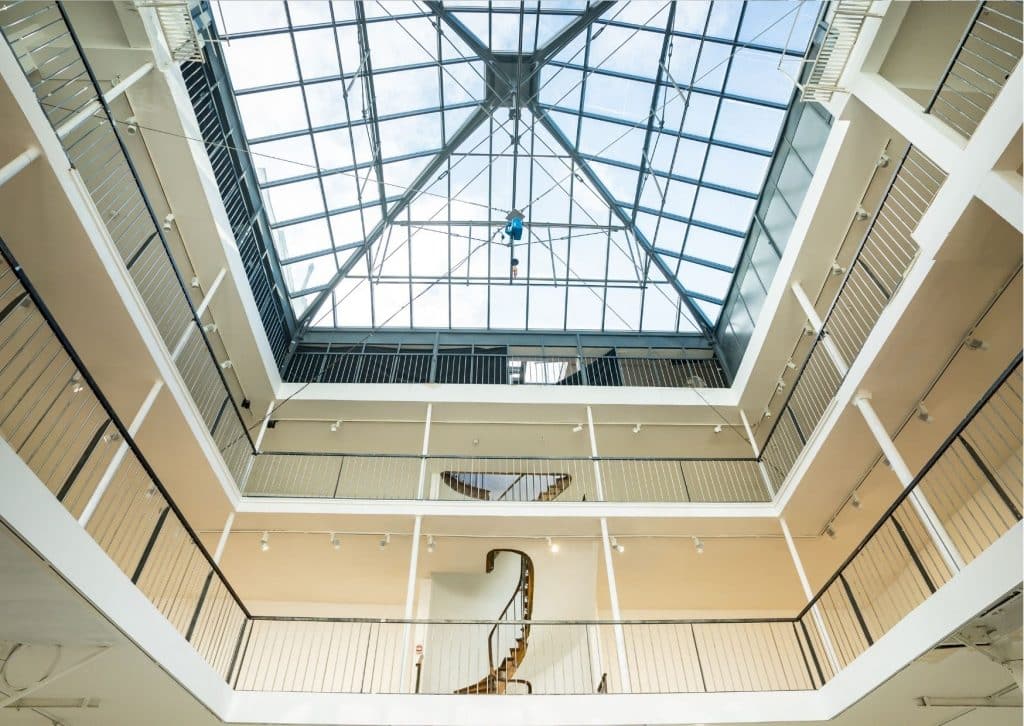
Galerie Joseph stands out as an essential partner for prestigious brands such as Chanel, Dior, Prada, and Saint Laurent. With its unique spaces located in the heart of Paris, it allows brands to create memorable experiences while increasing their visibility.

An uncertain economic context
Global economic uncertainty, marked by political and trade tensions, is forcing major luxury brands to rethink their strategies. Uneven market growth and tariffs on European products are disrupting traditional balances.
To adapt, brands like Hermès are diversifying their production locations by favoring local craftsmanship. At the same time, they are adopting risk management strategies to maintain their competitiveness. These adjustments are crucial, particularly in complex markets like China and the United States. In Paris, showroom rentals offer an effective solution. These spaces allow brands to strengthen relationships with clients and meet the needs of a changing market.
The rise of pop-up stores in Paris
Pop-up stores are revolutionizing the relationship between brands and consumers. By 2025, these temporary spaces will attract customers seeking immersive and personalized experiences.
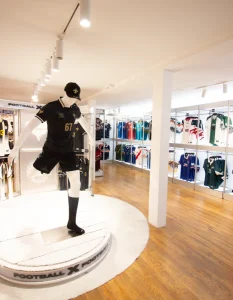
Brands like Loewe and Ruinart collaborate with Galerie Joseph to utilize its adaptable spaces. Located in strategic neighborhoods like the Marais, these spaces become ideal platforms, allowing for the presentation of exclusive collections and the organization of interactive events.
A winning model for brands
Pop-up stores allow brands to test new concepts, reach a wider audience, and strengthen their image. For example:
- Dior presents its capsule collections in these spaces.
- Prada creates immersive experiences combining fashion and technology.
- Saint Laurent organizes artistic collaborations in innovative settings.
These initiatives attract a cosmopolitan audience, increase sales and strengthen the brands' presence in the Parisian market.
Sustainability at the heart of strategies
By 2025, sustainability will be essential. Consumers, especially younger generations, prefer reselling and second-hand items for more ethical consumption.
Major fashion houses are embracing this trend by offering circular collections and buyback programs. Blockchain technology guarantees product authenticity, thereby strengthening buyer confidence. In Paris, the Galerie Joseph showrooms showcase these responsible initiatives.
Innovation: between digital technology and craftsmanship
The future of luxury lies at the intersection of technology and craftsmanship. Immersive experiences are becoming key tools for attracting a demanding clientele.
Fashion houses are exploring technologies like AI, augmented reality, and Web 3. These tools enable virtual fittings and even collections within the metaverse. Chanel and Dior exemplify this trend during Paris Fashion Week. Chanel transforms a showroom into an interactive space, while Dior presents an installation combining traditional craftsmanship and holography.

Paris, capital of luxury
Paris remains a global epicenter of luxury thanks to its fashion weeks, ateliers, and iconic venues. Brands benefit from a unique ecosystem, where showroom rental has become an essential strategy for showcasing their collections.
The Galerie Joseph , with its prestigious spaces, attracts brands like Ruinart and Loewe . These collaborations reinforce Paris's position as a hub of innovation and elegance.